
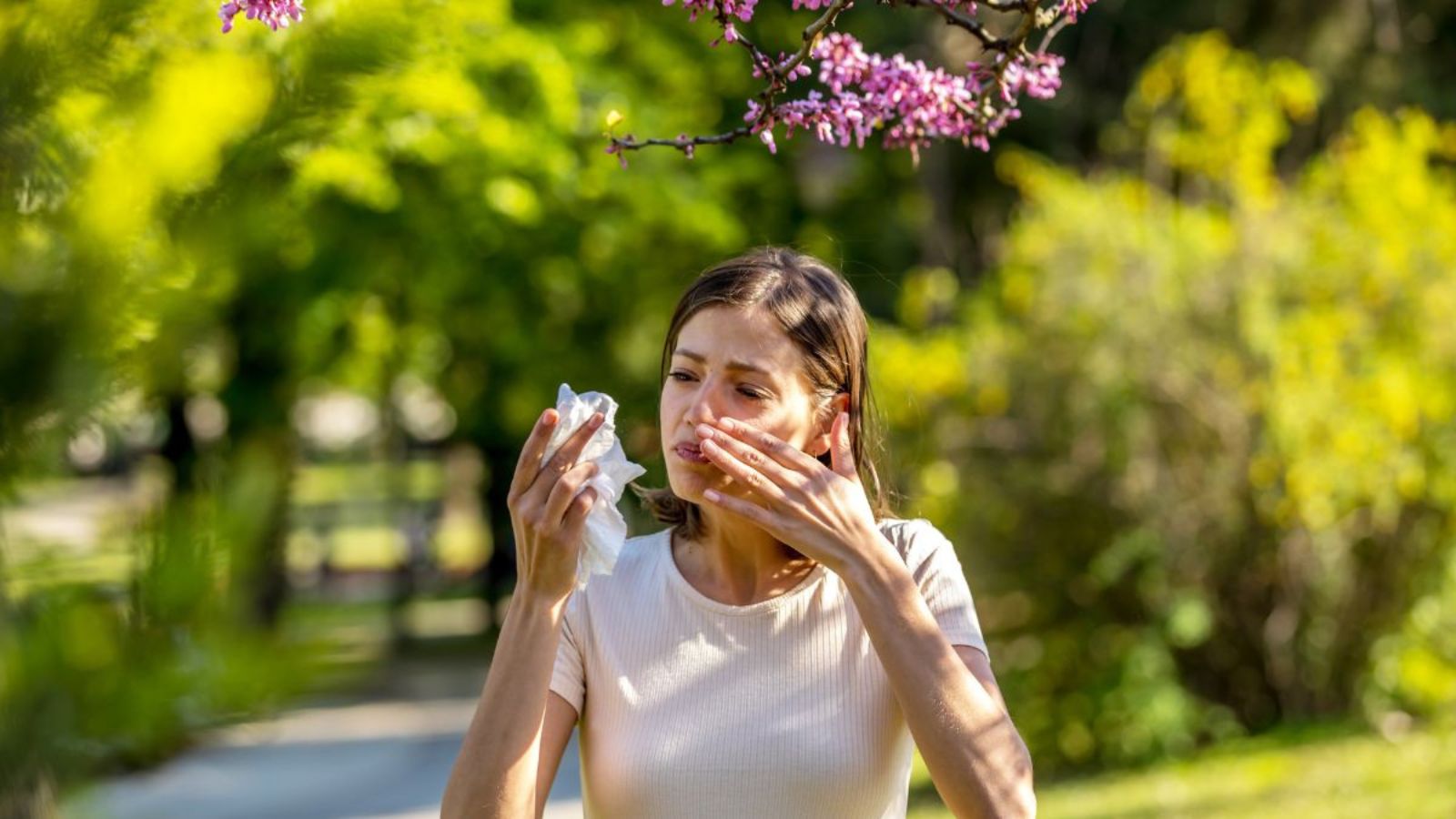
Seasonal allergies can affect more than just the nose and eyes. For some individuals, allergy season also brings noticeable changes in urinary habits, including increased urgency, frequency, or leakage.
Immune responses, persistent coughing or sneezing, and certain allergy medications can all influence bladder function. When these factors overlap, urinary symptoms may become more noticeable during peak pollen seasons.
Understanding the connection between seasonal allergies and urinary symptoms helps patients recognize patterns, manage discomfort, and know when to seek medical care.
Understanding the Link Between Seasonal Allergies and Urinary Symptoms
Seasonal allergies may aggravate bladder and pelvic symptoms through inflammation, physical strain from coughing or sneezing, and medication-related effects. Individuals with existing bladder conditions often report symptom flares during allergy season.
Overview of Seasonal Allergies
Seasonal allergies occur when the immune system reacts to airborne allergens such as pollen or mold spores. This reaction triggers the release of histamine and other inflammatory substances, leading to symptoms like sneezing, congestion, itchy eyes, and throat irritation.
Allergy patterns often follow seasonal cycles:
- Tree pollen in spring
- Grass pollen in late spring and summer
- Weed pollen in fall
Symptom severity varies based on individual sensitivity, environmental exposure, and regional conditions. Managing allergic inflammation is often the first step in reducing related urinary concerns.
Urinary Symptoms That May Appear During Allergy Season
Some people experience urinary urgency, increased frequency, or leakage when allergy symptoms are active. Repeated coughing or sneezing increases abdominal pressure, which can strain pelvic floor muscles and contribute to stress incontinence.
Individuals with conditions such as overactive bladder, interstitial cystitis, or pelvic floor dysfunction may notice symptom worsening during allergy flares.
In children, seasonal allergies may coincide with changes in daytime urinary control. Tracking urinary symptoms alongside allergy patterns can help clarify whether the two are related.
How Allergic Reactions Can Influence Bladder Function
Inflammatory chemicals released during allergic reactions may increase nerve sensitivity, including within the bladder. This heightened sensitivity can lower the threshold for urgency and lead to more frequent bladder contractions.
Persistent coughing or sneezing places repeated pressure on the pelvic floor. If these muscles are weakened, urinary leakage may occur.
Some allergy medications can also affect bladder function. Certain formulations may alter urine flow, bladder signaling, or muscle tone in sensitive individuals. A medical provider can help assess whether medications may be contributing to symptoms.
Managing Urinary Symptoms During Allergy Season
Relief often comes from addressing both allergy triggers and bladder health together.
Treatment Considerations
Reducing allergic inflammation may lessen bladder irritation. Controlling sneezing, coughing, and nasal congestion can decrease physical strain on pelvic muscles.
When urinary symptoms persist, a urologic evaluation may be recommended. Treatment options vary based on the underlying cause and may include bladder-specific therapies or referral for pelvic floor support.
Coordinated care between primary care providers, allergy specialists, and urologists can help ensure symptoms are managed safely and effectively.
Preventive Strategies and Lifestyle Adjustments
Supportive steps may help reduce symptom flare-ups:
- Limit pollen exposure by keeping windows closed during high-count days
- Shower and change clothes after outdoor activity
- Wash bedding regularly
- Strengthen pelvic floor muscles through guided exercises
- Practice scheduled voiding to improve bladder control
- Limit known bladder irritants such as caffeine or alcohol during allergy peaks
These strategies can reduce stress on the bladder while allergy symptoms are active.
Environmental and Weather Factors
Dry, windy conditions often increase pollen exposure and may worsen both allergy and urinary symptoms. Sudden temperature changes can also make the bladder more sensitive.
Monitoring pollen forecasts and limiting outdoor exposure during peak times may help reduce symptom overlap.
When to Seek Medical Advice
Medical evaluation is recommended if urinary urgency, frequency, leakage, or discomfort:
- Is new or worsening
- Interferes with daily activities
- Occurs alongside pelvic pain, fever, or visible blood in the urine
Professional guidance is also important if allergy treatments seem to aggravate bladder symptoms. Adjusting therapy or evaluating underlying bladder conditions may provide relief.
If seasonal patterns continue year after year, a urologic assessment can help identify contributing factors and create a personalized treatment plan.
UroHealth Partners
The attentive, compassionate physicians, providers, and staff at UroHealth Partners are committed to providing innovative, quality patient care in our state-of-the-art facility.
From screening and prevention to treatment and recovery, our health professionals will be there for you. Our team of dedicated physicians has been serving residents of Nebraska, Iowa, and South Dakota for more than 25 years.