
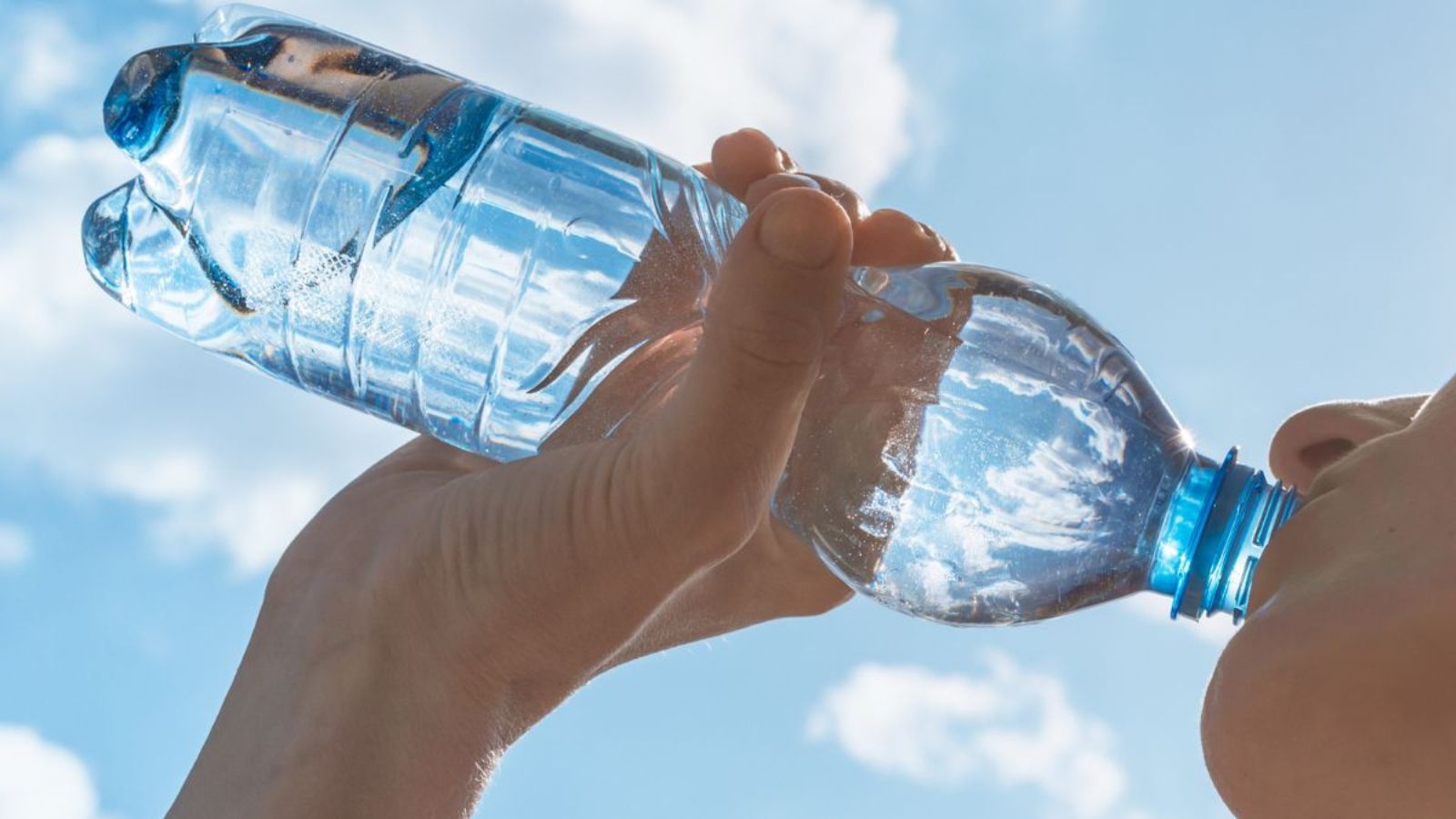
Dehydration and overhydration are two opposite fluid states that can significantly impact bladder health. Maintaining the right balance of water in the body allows the kidneys and bladder to remove waste efficiently without causing irritation or added strain.
Too little fluid can lead to dark, concentrated urine and a higher risk of discomfort or infection, while too much fluid may cause frequent urination, sleep disruption, and unnecessary pressure on the bladder. Both extremes can negatively affect the urinary system over time.
This guide explains how dehydration and overhydration influence bladder health, highlights the signs of imbalance, and provides practical ways to maintain proper hydration.
Hydration Basics and Bladder Health
The bladder stores urine produced by the kidneys based on daily fluid intake. When hydration is balanced, urine remains a pale yellow color, indicating proper dilution and healthy function.
If fluid loss from sweating, breathing, or activity is not replaced, dehydration can occur. On the other hand, drinking excessive amounts of water in a short period may overwhelm the body’s ability to regulate fluid levels.
For most people, consistent hydration throughout the day is more beneficial than consuming large amounts all at once. Monitoring urine color is a simple way to gauge hydration levels.
When the Body Does Not Get Enough Water
Dehydration occurs when the body loses more fluid than it takes in. This can happen due to heat, physical activity, illness, or simply not drinking enough water throughout the day.
Common signs of dehydration
- Dark yellow urine with a strong odor
- Fatigue, thirst, or lightheadedness
- Less frequent urination
- Increased risk of bladder discomfort or kidney stones
Over time, dehydration can strain the kidneys and increase the likelihood of urinary tract infections or stone formation due to concentrated urine.
Incorporating water-rich foods such as cucumbers, oranges, and watermelon can help support hydration in addition to fluid intake.
When the Body Gets Too Much Water
Overhydration happens when fluid intake exceeds what the body can process efficiently. This often results from drinking excessive amounts of water too quickly.
Common signs of overhydration
- Very clear urine
- Frequent urination
- Waking up at night to urinate
- Muscle cramps or weakness from electrolyte imbalance
Excessive water intake can dilute sodium levels in the blood, potentially leading to headaches, nausea, or more serious complications in severe cases.
Maintaining steady hydration throughout the day, rather than consuming large amounts at once, helps prevent unnecessary stress on the bladder.
Finding the Right Hydration Balance
The ideal amount of water varies based on factors such as body size, activity level, and climate. Instead of focusing on a strict number, the goal is to maintain consistent hydration that keeps urine a light yellow color.
General hydration guidelines
- Normal daily activity: 6 to 8 cups
- Active or warm conditions: 8 to 10 cups
- Heavy sweating: 10 to 12 cups, with electrolytes as needed
Spacing water intake throughout the day and pairing fluids with meals can help maintain a stable balance without overloading the bladder.
Habits That Support Bladder Health
Proper hydration is only one part of maintaining a healthy bladder. Daily habits also play an important role in reducing irritation and improving function.
Helpful bladder health habits
- Limit caffeine and alcohol intake
- Eat fruits and vegetables for hydration and fiber
- Avoid delaying urination for long periods
- Establish consistent bathroom routines
Bladder training techniques, when appropriate, can also help improve control and reduce urgency over time.
Signs Your Hydration Habits May Be Affecting Your Bladder
Even small imbalances in hydration can lead to noticeable changes in bladder function. While occasional symptoms may not be a concern, consistent patterns can signal that your fluid intake needs adjustment.
Pay attention to the following signs:
- Frequent or urgent urination that disrupts daily activities
- Waking multiple times at night to urinate
- Persistent bladder discomfort or pressure
- Urine that is consistently very dark or completely clear
- Difficulty maintaining a consistent urination pattern
These symptoms can be linked to both dehydration and overhydration, depending on the situation. Identifying patterns in your daily fluid intake and bathroom habits can help determine whether adjustments are needed.
If symptoms continue despite improving hydration habits, it may indicate an underlying bladder or urinary condition that requires medical evaluation.
When to Seek Help for Bladder Concerns
If you experience ongoing symptoms such as frequent urination, discomfort, or difficulty maintaining proper hydration balance, it may be time to consult a specialist. Persistent bladder issues can sometimes indicate underlying conditions that require medical attention.
UroHealth Partners
The attentive, compassionate physicians, providers, and staff at UroHealth Partners are committed to providing innovative, quality patient care in our state-of-the-art facility.
From screening and prevention to treatment and recovery, our health professionals will be there for you. Our team of dedicated physicians has been serving residents of Nebraska, Iowa, and South Dakota for more than 25 years.