Ways To Prevent Kidney Stones
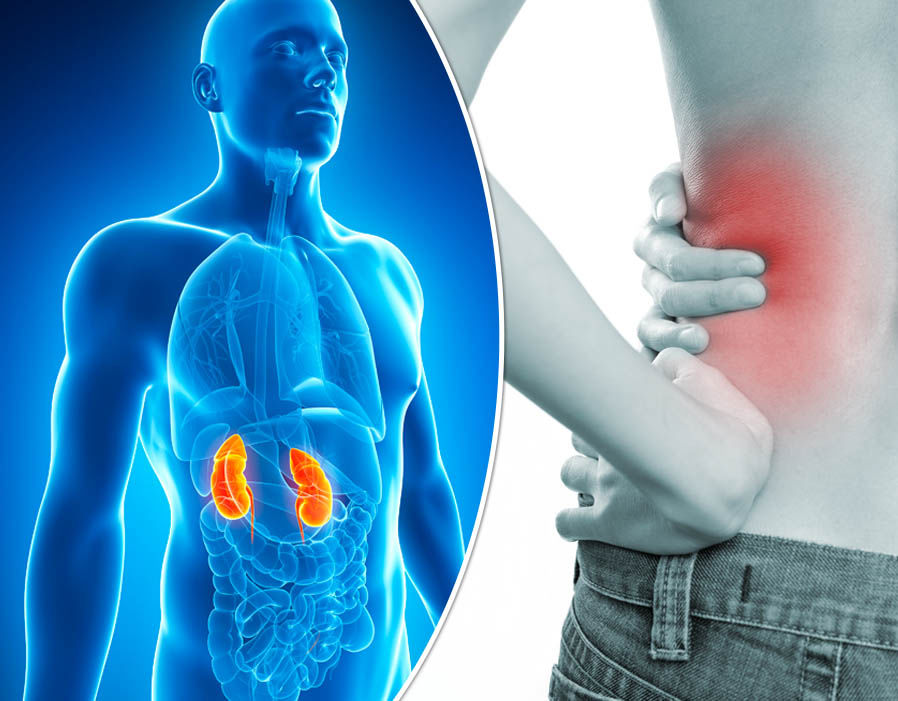
If you’ve ever had a kidney stone, you surely remember it. The pain can be unbearable, coming in waves until the tiny stone passes through your urinary plumbing and out of the body. For many, kidney stones aren’t a one-time thing: in about half of people who have had one, another appears within seven years without [...]
Undescended Testicle Symptoms and Treatment
Undescended testicles (formally known as cryptorchidism) occurs when a testicle has failed to pass into the scrotum prior to birth. It is a relatively common condition that affects newborns, infants, and baby boys. According to research, up to 5 percent of newborn male babies are affected by cryptorchidism, and about 10 percent of these cases [...]
Pediatric Bedwetting (Nocturnal Enuresis)
Nocturnal enuresis is the term used to describe when children urinate without control while they sleep. More commonly known as bedwetting. Incontinence is accidental or intentional urination in children who are at an age where they should be able to control their bladders. Girls usually obtain bladder control before boys do. Doctors can diagnose incontinence [...]
UTI Latest Treatment Methods
A urinary tract infection (UTI) is one of the most frequently occurring infections in the US. Both men and women can develop one, but they’re more prevalent in women; in fact, it’s estimated that about 50 percent of women will develop at least one at some point in their lives. UTIs occur when bacteria passes [...]
Urinary Incontinence Treatment and Care
Urinary incontinence refers to the uncontrollable leakage of urine. Many men and women suffer from this condition, and the symptoms can be moderate to severe. Urge incontinence can be the result of a variety of factors, including: overactive bladder weak pelvic muscles (referred to as stress urinary incontinence or pelvic organ prolapse) production of more [...]